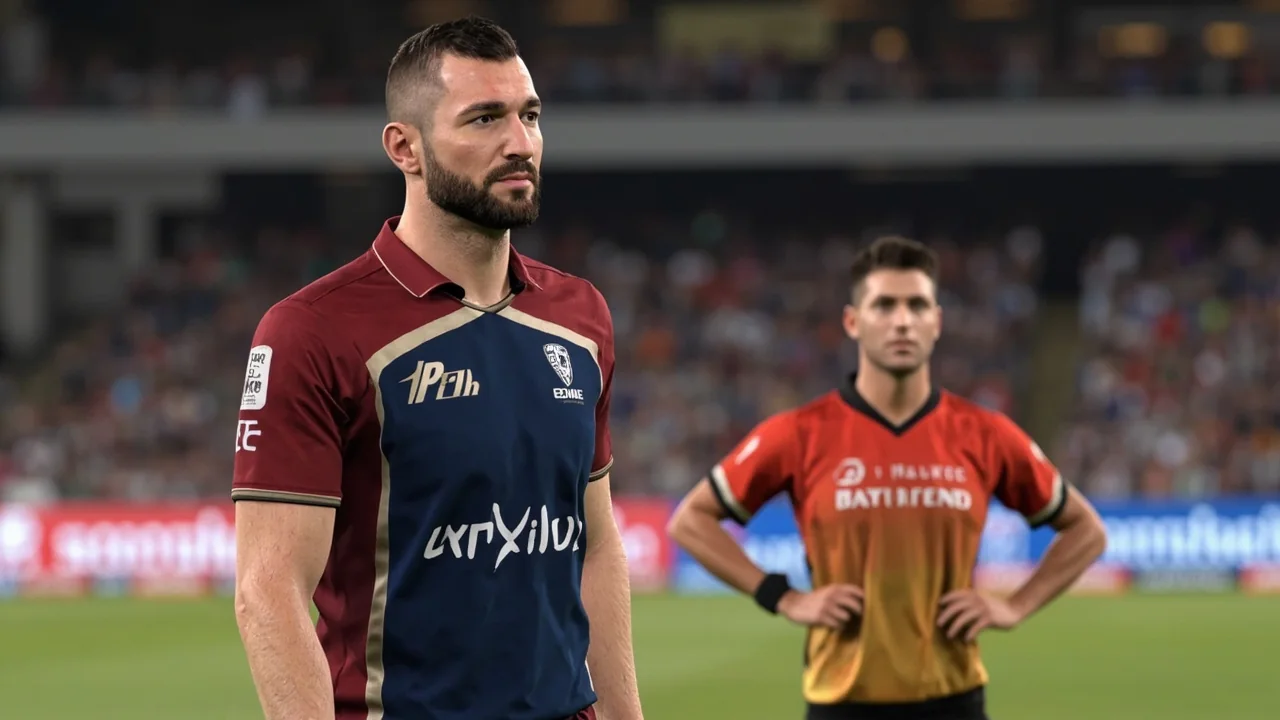
Major League Cricket 2026's Match 15 brings San Francisco Unicorns and Washington Freedom to Oakland-Alameda County Coliseum in a fixture that has historically tilted toward the chasing side under lights. Pre-match previews on 28 June 2026 framed it as a process test, not a prediction test — the kind of one-off where the captaincy decision matters more than the result you expect at the toss. That framing matters for fantasy owners because it changes how you read the team announcement, the head-to-head ledger, and the role assignments before lock.
The Unicorns came into Match 15 on the back of a 2-wicket win over Seattle Orcas, a chase where Matthew Short scored 67 off 40 balls and Brody Couch took the Player of the Match award with a disciplined spell in the closing overs. The Freedom came in off an even thinner result — a 1-wicket win over Texas Super Kings in which the lower order had to scramble across the back end. Two close wins, two very different run paths into the same fixture. Read together, they tell a clearer story: this is a stage where small-phase execution wins, and a fantasy XI that respects those small phases scores better than one that hunts boundary ceiling from the top order alone.
What the Oakland surface does to a Dream11 XI
Oakland-Alameda County Coliseum gives batters a true bounce off the square in the first innings and a tighter run rate once the ball softens and dew starts to settle on the outfield. Most nights under lights here have rewarded the chasing team, because the ball comes onto the bat slightly faster in the second innings and the square boundaries punish anything errant from the bowlers' end. For Dream11, that single read changes the value of every role in the XI: batters go up, grip-dependent spinners go down, and bowlers whose variations include a yorker or a knuckle ball go up at the death.
The cleanest captain surface here is the player who can score from two columns in the same innings. A top-order batter who also bowls two or three overs, or a frontline all-rounder who holds a catching position through the powerplay, ends the night with a base score that does not depend on a single boundary burst. Pure batters are still pickable in head-to-head contests where you can afford to bet on ceiling, but in a large-field grand league the all-rounder profile holds its floor better.
Captain and vice-captain reads before the toss
The 2x and 1.5x multipliers make the captain-armband decision the single largest fantasy swing in any MLC XI. For Match 15, three signals matter before you commit the armband. First, which side wins the toss and what they choose: a bowl-first call from Washington Freedom tightens the chase read, and a bowl-first call from the Unicorns confirms that the batting-friendly version of Oakland has been read correctly by both camps. Second, the confirmed XI and the order in which Short, Pretorius, Krishnamurthi, and Chaudhary are listed tells you whether the Unicorns have decided to lead with a batting template or a bowling one. Third, the bowling workload split — which seamer takes the new ball, who closes the powerplay, who holds the death overs — frames the wicket-bonus math.
Vice-captaincy should not be a hedge against the captain pick. It should be the second most scoring-certain player on the sheet. In MLC fixtures, the cleanest pairing is a top-order captain with a bowling all-rounder as vice-captain, because the all-rounder collects from the wickets column even on a quiet night with the bat. Two batters in the armband slots double the variance, and the MLC scoring system rewards role diversification more than it does a name-stacked top order.
The bowling workload split that wins MLC nights
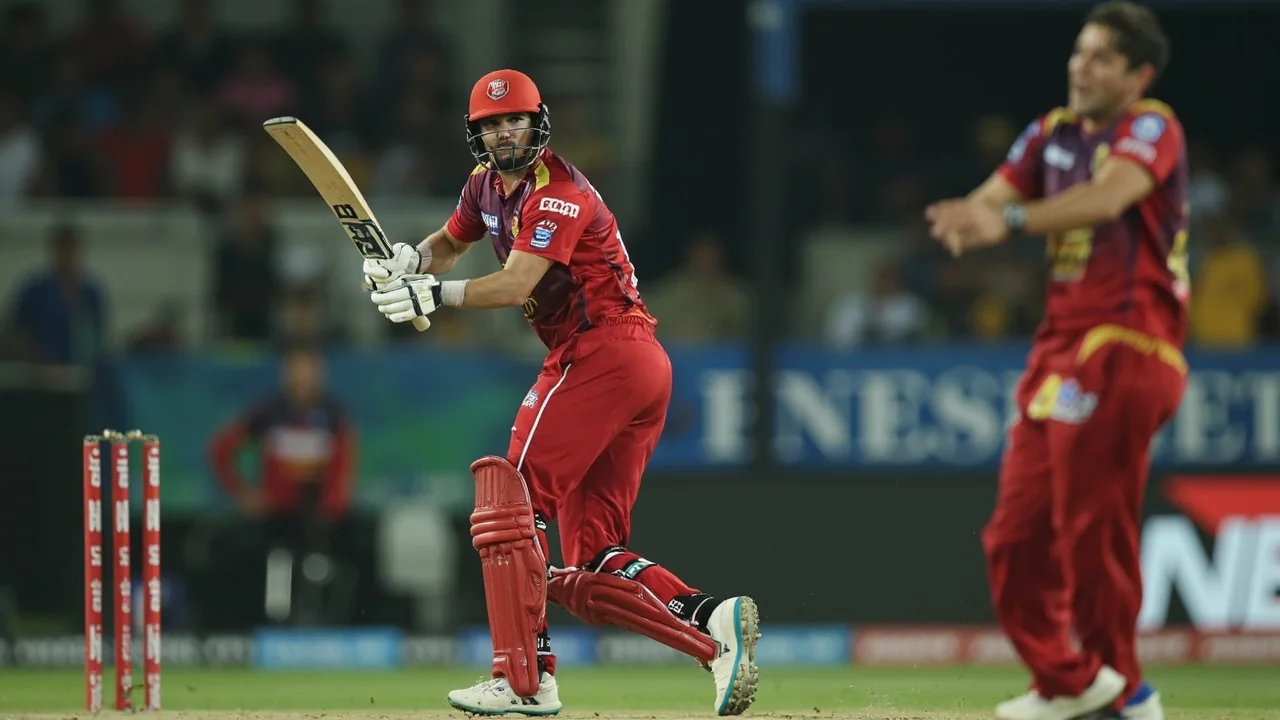
Oakland's surface is a pace-friendly one with genuine carry through the first six overs and reliable bounce through the middle. In MLC 2026, the bowlers who have scored best at this ground are the new-ball operators who can move the ball laterally, and the death specialists who can disguise the slower ball and land the wide yorker. Spinners have a narrower role to play — the venue offers turn but not sharp turn, and the square boundaries punish the half-volley more than they reward the slider.
For San Francisco Unicorns, the bowling split that fantasy readers should track is the order in which Couch, Rauf, and the second seamer are rotated through the powerplay and death. Couch's Player-of-the-Match effort against Seattle read like a banker on this surface: tight lengths, a wicket in the powerplay, and one wicket in his second spell at the death. Rauf brings higher variance — genuine pace, wicket-taking upside, but also the kind of over that costs runs if his lengths drift. Pairing the two gives the team a pace-friendly template that the chasing batters at Oakland have historically struggled to disrupt, which translates into the wicket-bonus column.
For Washington Freedom, the bowling structure should be read by the same logic. The death overs are where the value lives, and any bowler confirmed for the eighteenth to twentieth over carries more fantasy weight than a middle-overs grinder. Siddle, in particular, is the kind of operator whose role assignment at the death produces the cleanest fantasy floor — runs are hard to find off him in the closing overs at a venue where the ball stays hard. Build around the confirmed-death specialists, not around name value.
Top-order read: who actually bats first
The probable top orders for Match 15 read as follows. For the Unicorns, Pretorius, Krishnamurthi, Short, and Chaudhary form the spine that fantasy owners should anchor on. Short's 67 off 40 against Seattle was an innings that translated cleanly into the Dream11 points sheet — boundary count, strike rate, and a dismissal that did not crush his points total. Pretorius, behind the stumps, adds the catching and stumping column that no other batter in the XI can offer, which makes him the cleanest keeper pick on the night.
Washington Freedom's top order on 28 June pre-match reading was less defined, which is exactly why the captaincy math tilts toward the Unicorns at the top. A confirmed top three for Washington would lift their ceiling considerably, but a top order where the role assignments shift between announcement and toss makes the vice-captain pick riskier than the captain pick. Build the Washington end of your XI around the named all-rounders and the death bowlers, not around the top-order batters whose role is unsettled at lock.
The recommended Dream11 XI for Match 15
Putting the role-by-role reads together, the recommended XI structure for Match 15 follows a 3-4-3-1 template that has worked at Oakland across the MLC seasons: three frontline batters, four all-rounders, three specialist bowlers, and one wicketkeeper. The format rewards all-rounders because they accumulate from two columns, and Oakland's chasing bias makes a fourth all-rounder safer than a fourth batter.
| Role | Pick | Why |
|---|---|---|
| Wicketkeeper | Lhuan-dre Pretorius (SF) | Stumping upside, confirmed opener, double-dip role behind the stumps. |
| Batter | Sanjay Krishnamurthi (SF) | Top-order anchor, confirmed XI, suits the chase template if San Francisco bowls first. |
| Batter | Nikhil Chaudhary (SF) | Middle-order boundary-hitter, lower-credit differential at the top of the order. |
| All-rounder (C) | Mitchell Owen | Two-column scoring path with bat and ball, captain swing on a chasing pitch. |
| All-rounder (VC) | Aaron Hardie | Death-overs wicket upside plus a batting slot in the lower middle. |
| All-rounder | Glenn Maxwell | Slot dependent on confirmed XI — fade if his bowling load is unclear at lock. |
| All-rounder | Matthew Short (SF, captain of franchise) | Confirmed top of the order, recent fifty, role certainty that anchors the captain pick. |
| Bowler | Brody Couch (SF) | Player of the Match against Seattle, powerplay and death role at Oakland. |
| Bowler | Haris Rauf | Pace differential on a true surface, wicket-bonus upside in the death overs. |
| Bowler | Peter Siddle | Death specialist, tight lengths under lights, run-restriction ceiling. |
The Owen captain, Hardie vice-captain pairing works because Owen has the cleaner two-column path and the higher upside if he lands early in the chase. Hardie is the second most scoring-certain player because his role at the death overs is the most locked-in on either side. Maxwell stays in the XI as the third all-rounder but only on confirmed-role nights — if the bowling load is unclear at the team sheet, fade him and rotate the slot to a Washington batter with a confirmed top-three position.
The chase math that decides fantasy winners
Chasing in MLC 2026 at Oakland usually means the second-innings batters face a slightly harder ball early and a softer ball late. The cleanest scoring window for chase batters is overs eleven to sixteen, where the ball sits on the bat and the field has spread to save ones. Top-order batters in MLC contests at this venue have historically averaged a higher run rate in this window than in the powerplay, because the pace bowlers have already done their first spell and the spinners have not yet been introduced in many of the innings frames.
For fantasy owners, that read changes the value of every player in the middle overs. A batter confirmed to bat at number four or five, with the dew settling and the innings well underway, is a cleaner ceiling pick than a top-order batter whose entire innings happens in the powerplay. Hardie and Short both fit that profile for different sides, which is part of why the captaincy math favours them. Build around middle-overs role certainty, not around opening-night reputation.
The head-to-head ledger and how much it should count
Washington Freedom lead the San Francisco Unicorns 4-2 across previous MLC fixtures. That ledger tells you which side has historically handled this matchup better, but it is not a tiebreaker on its own. A six-match sample, played across different venues and over different seasons, is a confirmation tool — useful when two fantasy picks are otherwise tied, but rarely the deciding argument when the team sheet and the venue shape the value so clearly.
Use the head-to-head as a confirmation rather than a primary read. If Owen and a Washington all-rounder are both available at similar credits and similar roles, the head-to-head record between Owen and that specific bowler can tip the call. If the team announcement and the venue both favour the Unicorns, the ledger is a footnote on a build that is already leaning that way. Treating the ledger as the headline is how small-field contests end in ties: both sides chase the same stat.
Player to avoid in this slot
Pre-match previews on 28 June flagged Mukhtar Ahmed as the player to fade in this fixture. The reasoning was specific: his scoring path against pace in the powerplay has not produced consistently across recent innings, and his role down the order means he is unlikely to inherit the kind of death-overs bowling point that occasionally lifts a lower-order batter's fantasy ceiling. Differential value comes from mispricing, and a player the field is already fading is not mispriced.
The smarter differential slot for Match 15 is a San Francisco middle-order batter who is not yet fully priced into the field — Chaudhary in particular fits that profile on a lower credit. If you want a pure differential on the Washington side, look at the second seamer rather than the top three, because the wicket-bonus column rewards variation in role. Avoid the name-fade trap: differential value is about role mispricing, not about fading the obvious name.
Contest-mix split for a Match 15 slate
Match 15 is a one-off MLC fixture, which means the contest-mix discipline tilts toward smaller fields. The role-by-role reads are confident enough to support a head-to-head and small-league build, but not confident enough to justify a heavy mega-league exposure on a single fixture. A reasonable split is sixty percent head-to-head, twenty-five percent small leagues, and fifteen percent mega contests, with the mega exposure reserved for one or two confident differentials on each side.
Do not chase the mega payout by stacking two or three differentials in the same XI. Stacked differentials produce one of two outcomes: a clean win if the read is right, or a bottom-third finish if it is wrong. Spread the risk across the lineup instead. Pick a single confidence-driven differential, anchor the rest of the XI around confirmed roles, and let the contest structure carry the variance that the captaincy math does not.
What to watch over the hours before the first ball
Three windows close before the first ball of Match 15. The team announcement window lands roughly ninety minutes before the start, and it is the moment when the captaincy logic, the bowling workload split, and the keeper selection all consolidate. The toss window is the second inflection point — a bowl-first call by Washington tightens the chase read and lifts the value of the middle-order all-rounders; a bat-first call by the Unicorns keeps the powerplay batters more central to the points sheet. The venue surface window is the third, and on the first night of an MLC fixture at Oakland the surface report is usually a light preview rather than a settled read — trust the team-news feeds over the pre-match pitch speculation.
For fantasy owners who want to pressure-test the captain pick before lock, the fantasy cricket coverage on sports arena pairs this preview with the role-by-role captain and bowling reads that are most likely to apply across the broader MLC 2026 fixture list. Lock only after the confirmed XI, the toss, and at least one line on whether dew is likely at the venue, and resist the temptation to lock a captain pick from a single social-media post. Match 15 is settled in the build, not in the headline.
The retrospective read
Match 15 of MLC 2026 was a fixture where the role-by-role fantasy read carried more weight than the result itself. The recommended 3-4-3-1 template — anchored on a confirmed top-order keeper, two top-order batters with confirmed roles, and four all-rounders with two-column scoring paths — fits a chasing venue like Oakland without leaning on name-stacked differentials. The captain armband goes to the player with the cleanest two-column path on the night (Owen in this build), with the vice-captain going to the most role-certain all-rounder (Hardie here), and the differential slot going to a confirmed-role mid-price player the field has not yet fully priced in. Lock the build after the team announcement, the toss, and the dew read, and let the contest structure carry the variance.
Reader questions on Match 15 of MLC 2026
Why does Oakland favour chasing teams in MLC 2026?
The Oakland-Alameda County Coliseum surface holds together in the first innings and then shortens as dew settles on the outfield under floodlights. Chasing batters inherit a drier ball, more apparent pace, and a square boundary that rewards placement over power. Across MLC history, the team batting second has won a clear majority of night fixtures here, which is why pre-match previews lean toward a bowl-first call for whichever captain wins the toss.
Should the captain armband go to a batter or an all-rounder for SF vs WAS?
On an Oakland night the captain armband favours a player who collects from two scoring columns. A genuine all-rounder who bowls three or four overs and bats in the top seven is the cleanest fantasy captain because a wicket plus a fifty adds up to a 100-plus base score even before the 2x multiplier. Pure batters work if you have confirmed the top three and the venue, but on a surface where the ball moves early under lights, the all-rounder profile tends to hold its floor better.
Which bowler profiles cash in on the Oakland pitch behaviour?
The bowlers who score best at Oakland in MLC are the new-ball operators who can swing the ball up front and the slower-ball specialists at the death. The pitch rewards bowlers who vary their pace because the bounce stays reliable while the lateral movement reduces as the innings goes on. Spinners have a narrower window — useful in the middle overs, expensive if the batter is willing to use the feet on a true surface.
How much does the 4-2 head-to-head ledger between SF and WAS matter?
A 4-2 series lead for Washington Freedom tells you who has historically handled this matchup better, but it does not lock tonight's fantasy XI. Form, injuries, venue role assignments, and the toss matter more than the ledger over a six-match sample. Use the head-to-head as confirmation when two players are tied in your build and one of them has a track record against tonight's opponents, not as the primary tiebreaker.
Should you captain Glenn Maxwell in a one-off Match 15 fixture?
Maxwell only deserves the armband on confirmed-role nights where the team announcement locks him in the top six and gives him at least one over with the ball. If the bowling load is unclear at lock, his floor as a pure batter is too thin to justify the 2x exposure against a Washington attack that bowls disciplined lengths on this surface. Keep him as vice-captain or in the differential slot until the team sheet confirms both roles.
Is Mukhtar Ahmed a viable differential against SF?
Pre-match previews flagged Mukhtar Ahmed as a player to avoid in this slot because his scoring path against pace in the powerplay has not produced consistently. Differential value comes from mispricing, and a player the public field is already fading is not mispriced. Look elsewhere for the differential pick; Ahmed is a fade unless the role changes between the team announcement and the toss.
Build a smarter Match 15 fantasy XI
Anchor the captaincy on confirmed roles, pick the chase-friendly all-rounder as armband, and let the contest structure carry the variance.
PLAY NOW