DC vs CSK Dream11 Team IPL 2026 Match 48 Retrospective: How the Arun Jaitley Lock Was Built
A retrospective look at how the IPL 2026 Match 48 fantasy lock came together — the role-balance logic that pushed the build to 2-4-2-3, the pace-friendly read on the Arun Jaitley surface, and what the 57 percent chase win rate said before the toss.
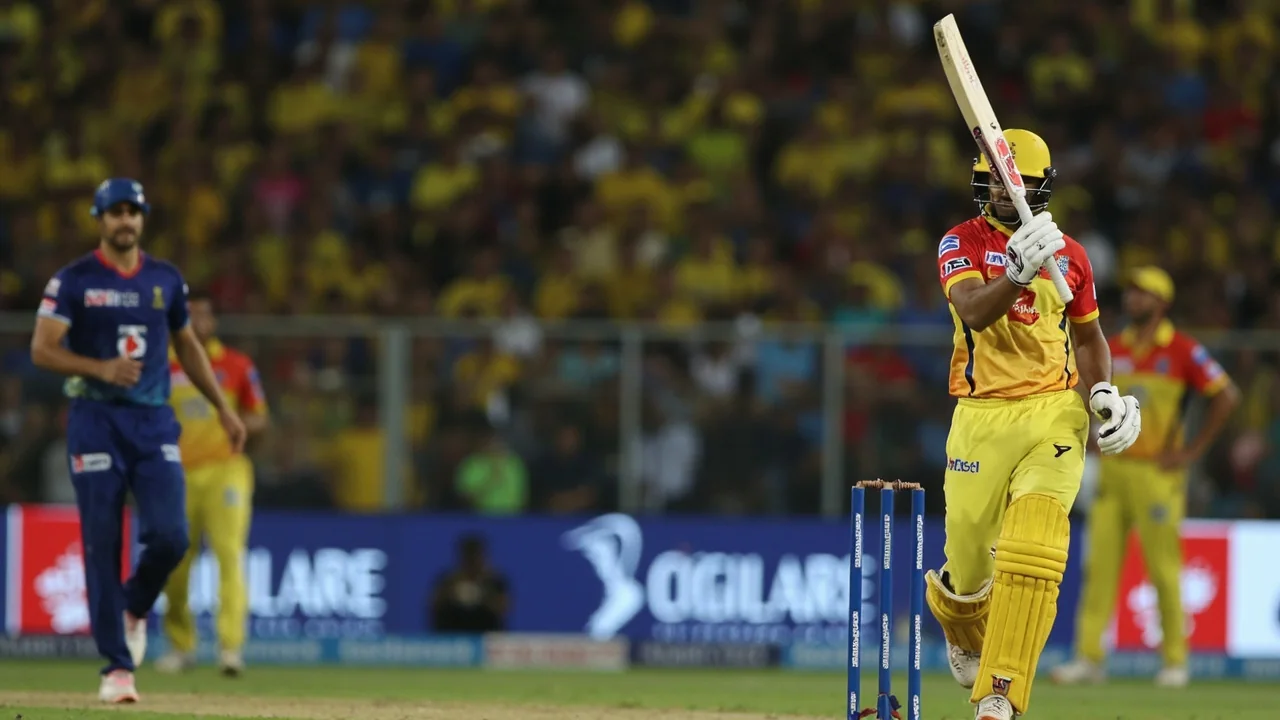
By the time Delhi Capitals and Chennai Super Kings reached Match 48 of IPL 2026 on Tuesday, 5 May 2026, the league table had tightened into a mid-table corridor where two points could lift a side four places and a loss could push them closer to the elimination conversation. The Arun Jaitley Stadium in Delhi hosted the 7:30 PM IST start under 30-degree cloud cover, with live coverage on Jio Hotstar and the Star Sports Network. Both franchises arrived on eight points from nine outings, separated only by net run rate, which made the fixture a swing match for either side rather than a dead rubber.
What made the build genuinely interesting was the depth on both rosters. KL Rahul had 433 runs in nine matches at an average of 54.13 and a strike rate of 185.83, Sanju Samson had 315 runs in nine with a 168.00 strike rate and a 115 not out high, and Chennai's pace attack had the variety to exploit a surface the venue report flagged as best suited to pace. The fantasy read was not a name-picking problem. It was a role-balancing problem — which is the harder kind to solve, and the reason Match 48 produced a build worth breaking down after the fact.
Why a 2-4-2-3 split beat the default 1-4-3-3
The Dream11 combination that went into Match 48 was a 2 wicketkeeper, 4 batter, 2 all-rounder, 3 bowler build — the 2-4-2-3. Most fantasy cricket defaults fall to 1-4-3-3 or 1-3-4-3, so a 2-4-2-3 needs a reason. Three reasons showed up in the projected XIs.
First, both sides carried two wicketkeeper-eligible players worth rostering. Delhi had KL Rahul and Tristan Stubbs, Chennai had Sanju Samson. Picking only one of those three would mean leaving a genuine points source on the bench, because in this format wicketkeepers also bat and earn the same batting points as regular batters. The 2-WK slot solves that without paying a credit penalty elsewhere.
Second, the middle orders on both sides ran deep. Nitish Rana on 202 runs in seven matches, Sameer Rizvi on the Delhi side, Dewald Brevis and Shivam Dube in Chennai's batting — every middle-order slot was a credible fifty candidate on a flat batting deck. A 4-batter build lets you stack that depth without sacrificing the all-rounder points that come from Axar Patel, Jamie Overton, Ashutosh Sharma and Dube.
Third, the bowling three was the smallest slot and the most contested. Mitchell Starc, Kyle Jamieson, Kuldeep Yadav and T Natarajan on the Delhi side, and Mukesh Choudhary, Noor Ahmad, Anshul Kamboj and Gurjapneet Singh on the Chennai side — any three would carry new-ball and middle-overs responsibility, but only three could be selected inside the budget. The role split above the bowling three mattered because it determined how much credit was left for pace.
The chase rate, and why the captaincy pool tilted toward the opener
Going into Match 48, chasing teams had won 57 percent of IPL fixtures at the Arun Jaitley Stadium in recent seasons. That single number pushed the captain pool toward the chasing opener. The first-innings average at the venue sat around 191, so a captain from the chasing top three would, on the historical average, bat on a target rather than bat first on a flat deck where the second-innings total had historically been the easier one to chase down.
Two openers had earned the armband on form. KL Rahul had the headline numbers — 433 runs at an average above 54 and a strike rate of 185.83 — and his chase-led 226-run win over Rajasthan in Delhi's previous outing gave the venue read a recent confirmation. Ruturaj Gaikwad had 245 runs in nine matches at an average of 35.00 and a strike rate of 125.64 with a best of 74 not out. The numbers were less loud, but his recent innings had trended upward and his left-handed profile had historical success against Delhi's new-ball attack.
The captaincy call split across contest types rather than picking one. Small leagues went to KL Rahul, grand leagues to Ruturaj Gaikwad, and the joint captain pool included both. The logic for splitting rather than picking one is straightforward: in a large-field contest, ownership on Rahul is heavy, so the captain differential that wins the field is Gaikwad. In a small league, ceiling is less important than floor, and Rahul's floor is the cleaner one.
The pace-friendly tag, and what it did to the bowling three
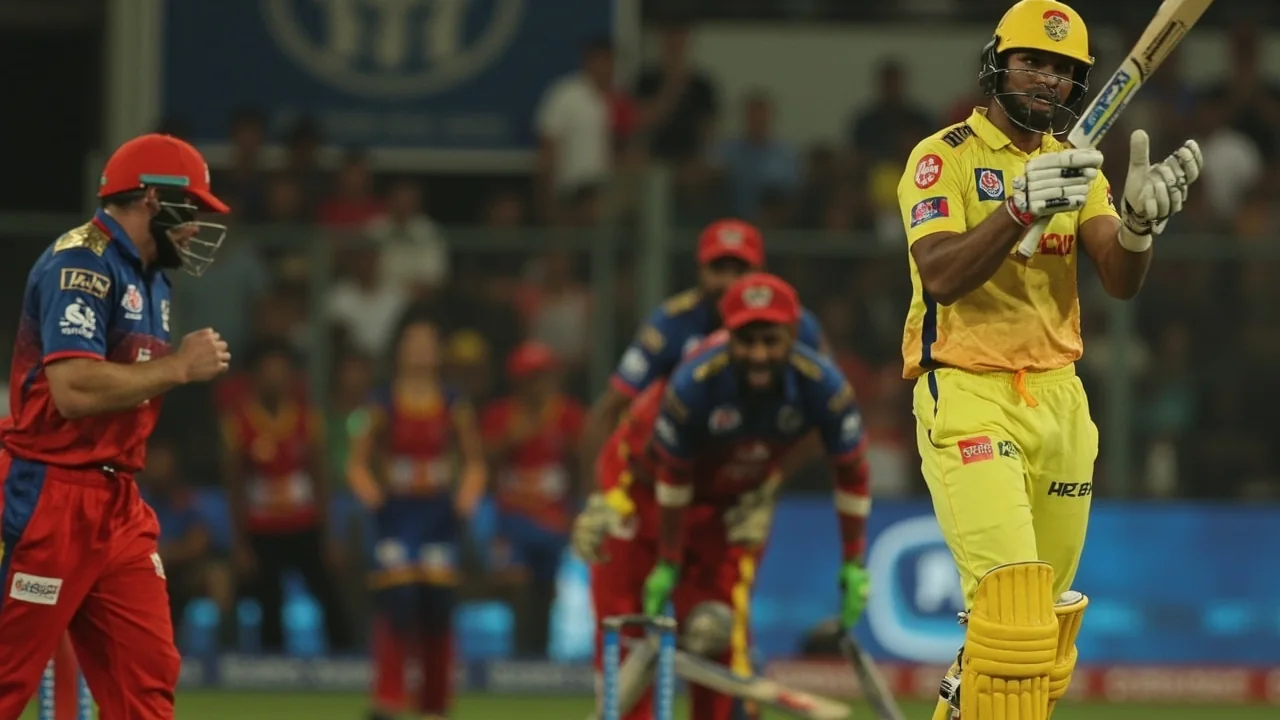
The pitch note on the eve of the match flagged the Arun Jaitley surface as best suited to pace, which is a different signal from the standard "batting-friendly" tag most venue reports carry. Batting-friendly means a flat track where runs are easy; pace-friendly means a flat track with carry and lateral movement that lets new-ball operators and hard-length bowlers earn their wickets. On a flat deck that also swings, the value of the bowling three is higher than usual because a wicket is worth more than a tight over.
That input carried through to the bowling three selection. Mitchell Starc and Mukesh Choudhary were the two new-ball operators who anchored both halves of the build — Starc on the Delhi side for swing with the new ball, Choudhary on the Chennai side for early overs and death variety. Kyle Jamieson became the third seamer on most grand-league teams because his hard-length bowling and pace-friendly tag aligned with the venue read, and his ceiling — three or four wickets in a new-ball spell — would lift his tally into captaincy conversation after the toss.
Spinners were kept as match-up picks rather than workload picks. Kuldeep Yadav, Noor Ahmad and Akeal Hosein all sat in the bench tier on most builds, with the note that a wrist-spin match-up against a left-handed top order could move one of them into the XI on contest-mix grounds. The role split reflects what the pace-friendly tag actually meant: pace as the primary, spin as the contingency, the opposite of what a spin-friendly surface would have produced.
Standings context, and what it added to the read
Both sides were tied on eight points from nine matches, with Chennai sixth on net run rate and Delhi seventh. The mid-table gap was small enough that a win could lift either side back into the top four conversation, and a loss would push the loser toward the elimination conversation. For fantasy purposes, that closeness added two things to the read.
First, it confirmed the form-driven captaincy choice. When both sides are level, recent form is the cleanest tiebreaker, and the form lines were clear — Rahul's chase win against Rajasthan in Delhi's previous outing, Gaikwad's unbeaten fifty-led win over Mumbai in Chennai's previous outing. The form pool aligned with the captaincy pool, which means the captain call did not need to fight the standings to make sense.
Second, it gave the head-to-head ledger a small but real weight. Chennai had won 20 of the 32 all-time meetings between the two franchises, and had also taken the earlier-season meeting by 23 runs. A 20-12 lead is not enough to lock a fantasy XI, but it was enough to nudge the bowling attack differential in Chennai's favour on the soft-read side of the build. The earlier result was confirmation of the head-to-head direction, not a prediction of Match 48 — Delhi's chase win against Rajasthan had reset their momentum, and the lock had to respect that reset.
Predicted XIs as the build was sized
The projections below went into the lock before the toss. Confirmation of the final XI after the team announcement is the hard rule that supersedes any pre-match read, but the shape of the build was settled before lock, and the projections show how the 2-4-2-3 split got filled.
| Role | Delhi Capitals | Chennai Super Kings |
|---|---|---|
| Wicketkeeper | KL Rahul, Tristan Stubbs | Sanju Samson |
| Batter | Pathum Nissanka, Nitish Rana, Sameer Rizvi | Ruturaj Gaikwad, Urvil Patel, Dewald Brevis |
| All-rounder | Axar Patel, Ashutosh Sharma | Shivam Dube, Jamie Overton |
| Bowler | Vipraj Nigam, Kyle Jamieson, Mitchell Starc, Kuldeep Yadav, T Natarajan | Kartik Sharma, Akeal Hosein, Noor Ahmad, Anshul Kamboj, Gurjapneet Singh, Mukesh Choudhary |
Three observations sit on top of the table. Delhi's bench depth sat in the bowling, where Starc, Kuldeep and Natarajan were all XI-calibre and the lock had to drop one or two inside the budget. Chennai's bench depth sat in the batting, where Brevis and Dube gave the middle order ceiling beyond Samson and Gaikwad. The 2-WK build, in other words, was a response to depth that the usual 1-WK build would have wasted.
The two punt picks, and what they earned their slot on
Two names sat outside the core captain pool but earned a place on grand-league teams. Kyle Jamieson was the first. The case was a pace-friendly surface plus a clean new-ball role, which together gave him upside that the ownership numbers did not price in. If he took three early wickets, his points total would lift him into captaincy range, and the differential would land. If he went quiet, the loss was capped at his credit tag — the bet was sized for the upside.
Urvil Patel was the second. He was the cheaper third CSK batter, priced below Samson and Gaikwad, and his recent promotion up the order gave him a longer batting window than his credit tag suggested. In a grand league, where the salary cap rewards mispricing, a player whose role has quietly expanded is the cleanest form of differential. The risk was a short batting innings; the upside was a fifty at half the price of the obvious CSK options.
Both picks shared the same structure — a role that had expanded without a corresponding ownership shift. That is the textbook differential profile, and the reason they sat on grand-league teams rather than small-league ones. Small leagues reward floor; grand leagues reward the mispriced ceiling, which is what these two names carried.
What the chase win rate actually told the lock
The 57 percent chase win rate at the Arun Jaitley Stadium is the number that drove more of the build than any individual form line. It told the lock to over-weight the chasing opener in the captain pool, to keep the pace-heavy bowling three rather than spinning it, and to treat the second-innings batting slot as the cleaner fantasy investment. None of those decisions follow from form lines alone — they follow from the venue.
The same number, applied differently, would have produced a different build. On a square-boundary venue with a slower surface, the chase rate would still favour the second innings, but the bowling three would skew toward slower bowlers and the captain pool would weight a death-overs hitter rather than an opening batter. Venue read is not one input among many. It is the input that decides which inputs matter.
The retrospective point is straightforward. Match 48 was a venue-driven build dressed in a name-driven frame. The KL Rahul captaincy made sense because his role aligned with the chase-friendly read; the Gaikwad differential made sense because his profile aligned with the same read; the pace-heavy bowling three made sense because the surface was pace-friendly. Strip the venue read out, and the same names with the same form lines would have produced a weaker build.
Contest-mix logic, written out
The contest-mix split that went into the lock was the standard SL/GL separation, but applied to a captain pool that had two names rather than one.
- Small leagues: KL Rahul captain, Sanju Samson vice-captain, conservative differentials. No punt exposure.
- Grand leagues: Ruturaj Gaikwad captain, Nitish Rana vice-captain, one of Jamieson or Urvil Patel as the captain differential.
- Head-to-head: KL Rahul captain, no differential punts. Floor over ceiling.
The principle is to let each captain breathe inside the contest type that suits the read. Rahul's floor does the work in small leagues and head-to-heads; Gaikwad's differential does the work in grand leagues. Forcing the same captain across every entry collapses the contest-mix logic and leaves the build exposed to ownership clustering.
The retrospective read, three months on
The build that circulated before Match 48 was a venue-first, role-second, name-third construction. The pace-friendly tag and the chase win rate settled the bowling three and the captain pool before a single form line was consulted. The form lines then confirmed the captaincy pool the venue read had already produced, and the role split fell out of the projected XI shape rather than out of a contested bidding process.
That is the order a fantasy build should run in: venue, role, form, contest mix, captaincy. Run it in any other order and the captaincy call ends up doing the work the venue read should have done. Match 48 worked as a build because the venue read was the first move, not the last.
For the next mid-table swing match on a flat batting deck, the same logic applies. Read the venue, size the role split, then fit the names into the slots the venue and role split produced. Captain the contest type that matches the read. Run the differentials on the contest type that rewards mispricing. And respect the chase win rate as the single most reliable pre-toss input the desk has.
For readers who want more retrospective reads of this kind — captain pools sized from the venue up, contest-mix logic broken out, and the build order that made the lock defensible — the rest of the Fantasy Tips desk runs the same working out across other mid-table fixtures.
FAQ — DC vs CSK Dream11 team retrospective, IPL 2026 Match 48
What shape did the Match 48 fantasy lock take?
The build that circulated before the lock was a 2 wicketkeeper, 4 batter, 2 all-rounder, 3 bowler split — the 2-4-2-3 combination. The reason it won out over the usual 1-4-3-3 was that both sides had two wicketkeeper-eligible players worth carrying and a middle order deep enough to justify four batters.
How did the Arun Jaitley chase rate change the captaincy call?
Going into the match, chasing teams had won 57 percent of IPL games at the Arun Jaitley Stadium. That number pushed the captain pool toward the chasing opener, with KL Rahul named the SL captain and Ruturaj Gaikwad the GL captain to keep contest types separated.
Why was the pace-friendly tag the bigger input than spin?
The match-eve pitch note flagged pace as the most rewarded skill at the venue, which steered the bowling three toward new-ball operators like Mitchell Starc, Mukesh Choudhary and Kyle Jamieson. Spinners — Kuldeep Yadav, Noor Ahmad, Akeal Hosein — were kept as match-up picks rather than workload picks.
What did the head-to-head ledger say about Match 48?
Chennai Super Kings had won 20 of the 32 all-time meetings between the two franchises, with Delhi Capitals on 12 wins. Chennai had also taken the earlier-season meeting by 23 runs, which kept the soft read tilted toward their bowling attack before the toss.
Which punt picks sat outside the core captain pool?
Kyle Jamieson and Urvil Patel were the two differentials. Jamieson offered upside on the pace-friendly surface where three or four new-ball wickets would lift his tally into captaincy range; Patel was a cheaper third CSK batter whose promotion in the order extended his batting window beyond his credit tag.
How does a retrospective read differ from a pre-match preview?
A retrospective keeps the same verified facts — predicted XIs, form lines, venue behaviour, head-to-head — but frames them as inputs to a build that has already been decided rather than as calls that still need to be made. The goal is to show the working behind a captain pool and a role split, not to recommend picks for a match that is already over.
Build the next fantasy lock from the venue up
Read the surface first, size the role split second, and only then fit the names into the slots. Captain the contest type that matches the read, not the read that matches the captain.
Download the app